
Sustainable Tourism Impact: Conservation & Habitat Protection
 TABLE OF CONTENTS
- What Is Sustainable Tourism in Tanzania?
- 1. Conservation and Habitat Protection
- 2. Empowering Local Communities Through Tourism Revenue
- 3. Environmental Education and Awareness
- 4. Supporting Eco-Certified Operators and Initiatives
- 5. How You Can Travel Responsibly in Tanzania
What Is Sustainable Tourism in Tanzania?
Imagine watching a herd of 300 elephants move silently through the ancient baobabs of Tarangire National Park. The dust rises gold in the late afternoon light. Your guide — born and raised 60 kilometres from where you’re sitting — whispers the name of the matriarch leading the herd. He has known her for years.
This moment exists because of sustainable tourism in Tanzania. Every responsible choice made by travellers, operators and local communities has kept places like this wild, intact, and extraordinary.
Sustainable tourism Tanzania refers to travel that actively benefits the environment, protects wildlife habitats, and improves the lives of the local people who call these landscapes home. It is the difference between tourism that takes — and tourism that gives back. When you choose a responsible operator, stay at an eco-conscious lodge, or hire a local guide, you become part of the solution.
Tanzania is one of Africa’s most biologically rich countries, home to the Serengeti, Ngorongoro Crater, Tarangire, and Kilimanjaro — ecosystems that face real pressure from population growth, climate change, and unchecked development. Sustainable tourism is not a luxury. It is a necessity.
1. Conservation and Habitat Protection
The single most powerful thing sustainable tourism Tanzania delivers is money directly into conservation. Tanzania’s national parks and protected areas cover over 30% of the country’s total land mass — an extraordinary commitment that can only be maintained when tourism revenue continues to flow.
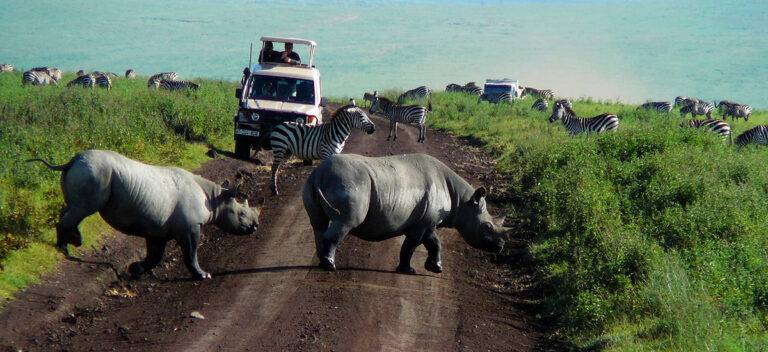
When you visit Tanzania National Parks and pay your park entrance fees, that revenue funds anti-poaching ranger patrols, wildlife monitoring programmes, and habitat restoration projects. Without it, the Serengeti’s lion prides, Ngorongoro’s black rhinos, and the Selous’s wild dog packs would face a far more uncertain future.
Responsible tour operators go further still. Many support dedicated conservation partnerships — funding camera trap networks to monitor leopard territories, sponsoring research into elephant migration corridors, and contributing to the replanting of degraded forest zones on the slopes of Kilimanjaro.
The principle is simple: a thriving, wildlife-rich Tanzania is worth more to the global economy as a living ecosystem than as anything else. Sustainable tourism Tanzania makes that argument in the most compelling way possible — with money, jobs, and international attention.
2. Empowering Local Communities Through Tourism Revenue
Sustainable tourism Tanzania does not stop at the park gate. Its most transformative impact is felt in the villages and towns that surround these wild places — in the guides, cooks, porters, lodge staff, and artisans whose livelihoods depend on responsible travel.
When you stay at a community-owned lodge, eat at a locally run restaurant, or buy handmade crafts from a Maasai market, you are keeping tourism revenue where it belongs — inside the local economy. Studies consistently show that community-based tourism is one of the most effective tools for reducing poverty in rural Tanzania while simultaneously reducing the incentive to poach or encroach on wildlife habitat.
The logic is powerful: a community that benefits directly from living wildlife has every reason to protect it. A community that sees none of the benefit has every reason not to. Sustainable tourism Tanzania changes that equation for the better.
At Mujuni African Adventures, every safari is guided by local Tanzanians — people whose families have lived alongside the Serengeti and Kilimanjaro for generations. Hiring local is not just a feel-good gesture. It is the most direct investment you can make in the long-term future of Tanzania’s wild places.
Ready to Experience This for Yourself? At Mujuni African Adventures, our local expert guides have spent their lives exploring Tanzania’s wild places — and they can’t wait to share it with you.
Book Your Free Safari Consultation → No obligation. Just honest advice from people who know Tanzania best.
3. Environmental Education and Awareness
One of the most underestimated benefits of sustainable tourism Tanzania is what it does to the people who experience it. A safari is not passive. It changes how you see the world.
When a skilled local guide explains the complex social structure of an elephant herd, or describes how the Great Migration is driven by ancient instinct tracking rainfall across a thousand kilometres, something shifts in the traveller. They do not go home and forget Tanzania. They go home and talk about it — to their friends, their families, their colleagues. They become ambassadors for conservation without ever being asked to.
Sustainable Tourism Tanzania (STTZ) documents this ripple effect extensively — responsible travellers who return home more engaged with environmental causes, who donate to conservation charities, who make different choices about the holidays they book. The education does not end at the park boundary.
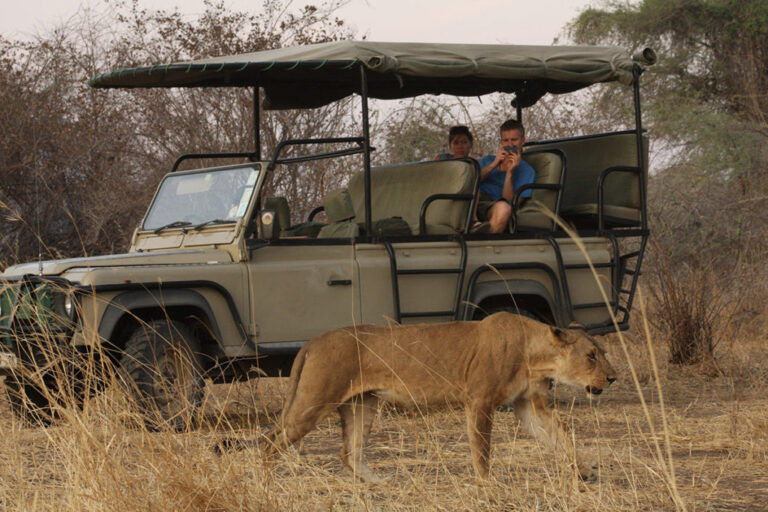
This is why Mujuni African Adventures invests in guides who are not only expert trackers but gifted teachers — people who can explain the ecological significance of a dung beetle or the role of the acacia tree in the entire Serengeti food web. Every game drive is a masterclass in why this world is worth protecting.
4. Supporting Eco-Certified Operators and Initiatives
Not all tourism is created equal. The most important choice you make before your Tanzania safari is who you book with. Sustainable tourism Tanzania depends on travellers actively choosing operators and accommodations that prioritise responsibility over profit.
Look for tour operators with verified sustainability commitments — those that pay guides and porters fairly, minimise single-use plastics, invest in solar energy at their camps, and actively support local conservation organisations. Ask your operator directly: what percentage of revenue stays in the local community? What conservation projects do you fund?
Eco-certified lodges across Tanzania — from the Serengeti to the slopes of Kilimanjaro — are pioneering practices that minimise waste, conserve scarce water resources, and offset their carbon footprint through verified programmes. By choosing these properties, you create market demand for sustainability across the entire industry.
The ripple effect matters enormously. When responsible travellers reward responsible operators with their bookings, it signals to every other business in the sector that sustainability is not a cost — it is a competitive advantage.
5. How You Can Travel Responsibly in Tanzania
Sustainable tourism Tanzania is not about sacrificing comfort or adventure. It is about making choices that amplify the positive impact of your trip without diminishing the experience. Here are five things every traveller can do:
Choose a local operator. Foreign-owned companies often repatriate a significant portion of their profits overseas. Local operators like Mujuni African Adventures keep revenue inside Tanzania, where it supports families, schools, and conservation directly.
Hire a local guide. Local guides bring irreplaceable knowledge — of animal behaviour, of Tanzanian ecology, of the cultural stories woven into every landscape. They are also the single best investment you can make in community empowerment.
Stay in community or eco-certified accommodation. Ask where your money goes. The best lodges and tented camps can tell you exactly how their tourism revenue supports the surrounding community.
Travel in the shoulder season. The green season (November–May) offers lush landscapes, fewer crowds, and lower prices — while distributing visitor numbers more evenly across the year, reducing pressure on wildlife during peak periods.
Pack responsibly. Bring a refillable water bottle, refuse single-use plastics, and follow your guide’s instructions at all times around wildlife. The Maasai have a saying: “The land owns us — we do not own the land.” Travel with that spirit.
Your Tanzania Adventure Starts With One Conversation
There’s no better way to plan a responsible, unforgettable safari than talking to someone who has lived it.
At Mujuni African Adventures, our guides were born and raised in Tanzania — from the sweeping plains of the Serengeti to the ancient forests of Kilimanjaro. We don’t just know this country. We are this country. And we are deeply committed to keeping it extraordinary for the generations who come after us.
When you travel with Mujuni, you are not just booking a safari. You are investing in the future of sustainable tourism Tanzania — in the wildlife, the communities, and the wild places that make this country unlike anywhere else on earth.
 Book your FREE safari consultation today — and let’s start planning the adventure of a lifetime.